
Hair Loss Treatment & Skin Rejuvenation in Prosper, TX: The Inside-Out Anti-Aging Protocol
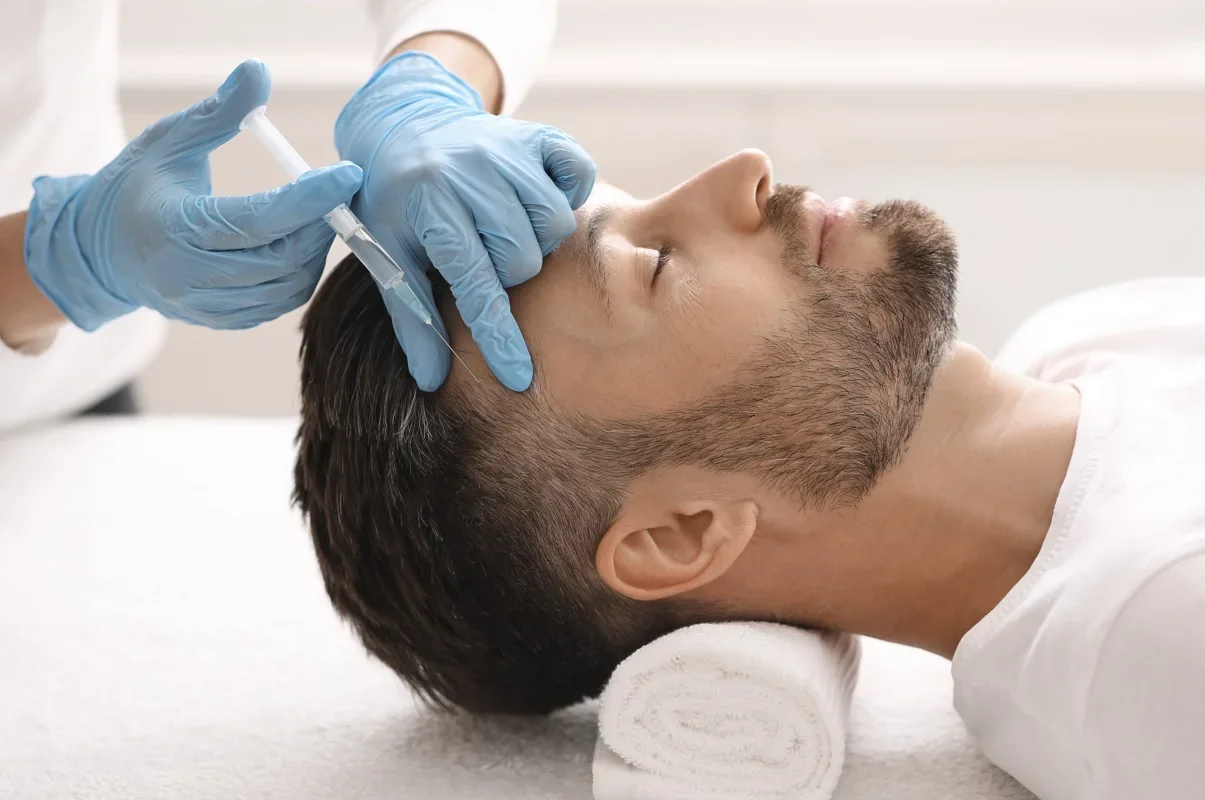
Most hair and skin treatments focus exclusively on what's applied externally — topicals, serums, and surface-level fixes. But thinning hair and aging skin are frequently downstream signals of internal imbalance: hormonal shifts, nutrient deficiencies, and declining cellular repair capacity. Hair Loss Treatment in Prosper, TX at Frontline Wellness is built on an inside-out philosophy, addressing the internal drivers first so external treatments actually have something to work with. This article explains the clinical reasoning behind that approach and what a comprehensive protocol looks like.
Why Topical-Only Treatments Often Underperform
Patients often arrive having already tried over-the-counter shampoos, serums, or generic supplements with limited results. The reason is usually straightforward: if the internal driver of hair thinning or skin aging — hormonal imbalance, chronic inflammation, or nutrient depletion — isn't addressed, topical treatments are fighting an uphill battle against ongoing internal damage.
The Internal Drivers of Hair Loss
Hormonal Contributors
Hormones play a central role in hair follicle health. In men, elevated DHT (a testosterone byproduct) is a well-documented driver of pattern hair thinning. In women, fluctuating estrogen and thyroid hormones during perimenopause and postpartum periods are common triggers for noticeable shedding. This is why a proper hair loss evaluation often overlaps with broader Hormone Therapy Prosper, TX assessment rather than being treated as a standalone cosmetic issue.
Nutrient Deficiencies
Hair follicles are metabolically demanding tissue, meaning they're often among the first areas affected when the body is running low on key nutrients:
Iron and ferritin — low stores are strongly linked to diffuse hair shedding
Vitamin D — plays a role in follicle cycling
Zinc and biotin — support keratin production and follicle strength
Protein intake — inadequate protein can push follicles into a resting (shedding) phase
Chronic Inflammation and Gut Health
Systemic inflammation, often originating in the gut, can disrupt the follicle growth cycle. Patients with unresolved digestive issues sometimes see improvement in hair density once underlying gut inflammation is addressed as part of a broader wellness plan.
How Hair Restoration Protocols Are Built
Hair Restoration Prosper, TX protocols at our clinic typically begin with:
Lab evaluation — thyroid panel, ferritin, vitamin D, and relevant hormone markers
Hormonal correction if indicated — addressing DHT, thyroid, or estrogen imbalances at the root
Targeted nutritional supplementation — replacing specific deficiencies identified through labs
Peptide support — certain peptides are used to support follicle signaling and microcirculation at the scalp level, complementing the internal correction work
Ongoing monitoring — follow-up labs to confirm the underlying driver is actually resolving, not just masking symptoms temporarily
This layered approach is why results from an inside-out protocol tend to be more durable than topical treatments alone.
The Internal Drivers of Skin Aging
Collagen Decline and Hormones
Collagen production naturally declines with age, but the rate of that decline is heavily influenced by hormonal status. Estrogen, in particular, plays a significant role in skin thickness and hydration — which is part of why skin changes often accelerate during perimenopause and menopause. Addressing this hormonal component is a foundational piece of any serious Skin Rejuvenation Prosper, TX plan.
Oxidative Stress and Inflammation
Environmental exposure, poor sleep, and chronic low-grade inflammation all accelerate oxidative damage to skin cells. Left unaddressed, this damage compounds over time, making external treatments less effective at reversing visible signs of aging.
Nutrient and Hydration Status
Skin health is directly tied to nutrient intake and hydration status. Deficiencies in omega-3 fatty acids, vitamin C, and collagen-supporting amino acids are commonly reflected in skin texture, elasticity, and healing capacity.
Building an Inside-Out Skin Protocol
A comprehensive skin rejuvenation plan typically layers several components:
Hormonal assessment, particularly for patients over 40 experiencing accelerated skin changes
Peptide therapy, since specific peptides support collagen synthesis and cellular repair from within
Targeted nutritional supplementation, replacing deficiencies that directly impact skin structure
Anti-inflammatory support, addressing systemic inflammation that accelerates visible aging
In-office or topical treatments, layered on top of the internal work rather than used as a standalone solution
The goal isn't to replace topical or in-office treatments — it's to make them significantly more effective by correcting the internal environment they're working within.
How Peptide Therapy Supports Both Hair and Skin
Peptide Therapy Prosper, TX has become an increasingly central tool in anti-aging protocols because peptides can signal specific cellular repair and growth processes with a high degree of precision. Depending on the patient's goals, peptide protocols may be used to support:
Follicle signaling and scalp microcirculation for hair density
Collagen synthesis and skin cell turnover for texture and elasticity
General tissue repair, which supports both hair and skin outcomes simultaneously
Because peptides work at the signaling level rather than simply adding a topical ingredient, many patients notice a more comprehensive quality improvement across both hair and skin when peptides are incorporated into their protocol.
What to Expect from an Inside-Out Protocol?
Results from an inside-out approach are generally gradual and cumulative rather than immediate, which is consistent with how hair and skin biology actually works:
Hair: Most patients need time before noticing reduced shedding, with visible density improvements typically emerging over several months as new growth cycles progress.
Skin: Texture and hydration improvements are often noticeable as the skin responds to treatment, while more significant changes in elasticity and the appearance of fine lines typically develop over time.
Lab-confirmed correction of the underlying driver — whether hormonal, nutritional, or inflammatory — is what allows these results to be sustained rather than temporary.
Frequently Asked Questions
-
Yes. Elevated DHT in men and fluctuating estrogen or thyroid hormones in women are well-documented contributors to hair thinning, which is why a hormone panel is often part of a proper evaluation.
-
Yes. Identifying specific hormonal or nutrient deficiencies allows the protocol to target the actual root cause rather than relying on generic topical treatments.
-
Certain peptides support cellular signaling involved in follicle growth cycles and collagen production, complementing internal hormonal and nutritional correction for more comprehensive results.
-
Skin improvements are often noticeable as the skin responds to treatment, while hair density changes typically take longer as follicle growth cycles progress.
-
No. While hormonal decline accelerates hair and skin changes with age, nutrient deficiencies and inflammation can affect hair and skin health at any age, making evaluation useful for a broad range of patients.
Address the Root, Not Just the Surface
Lasting improvement in hair density and skin quality starts internally — with hormones, nutrients, and inflammation brought back into balance. Frontline Wellness in Prosper, TX builds personalized, lab-based protocols that support hair restoration and skin rejuvenation from the inside out. Schedule a consultation to identify what's actually driving your changes.